The Importance of Real-Life Scenarios in Self-Defense Training
MN
Understanding the Basics of Self-Defense
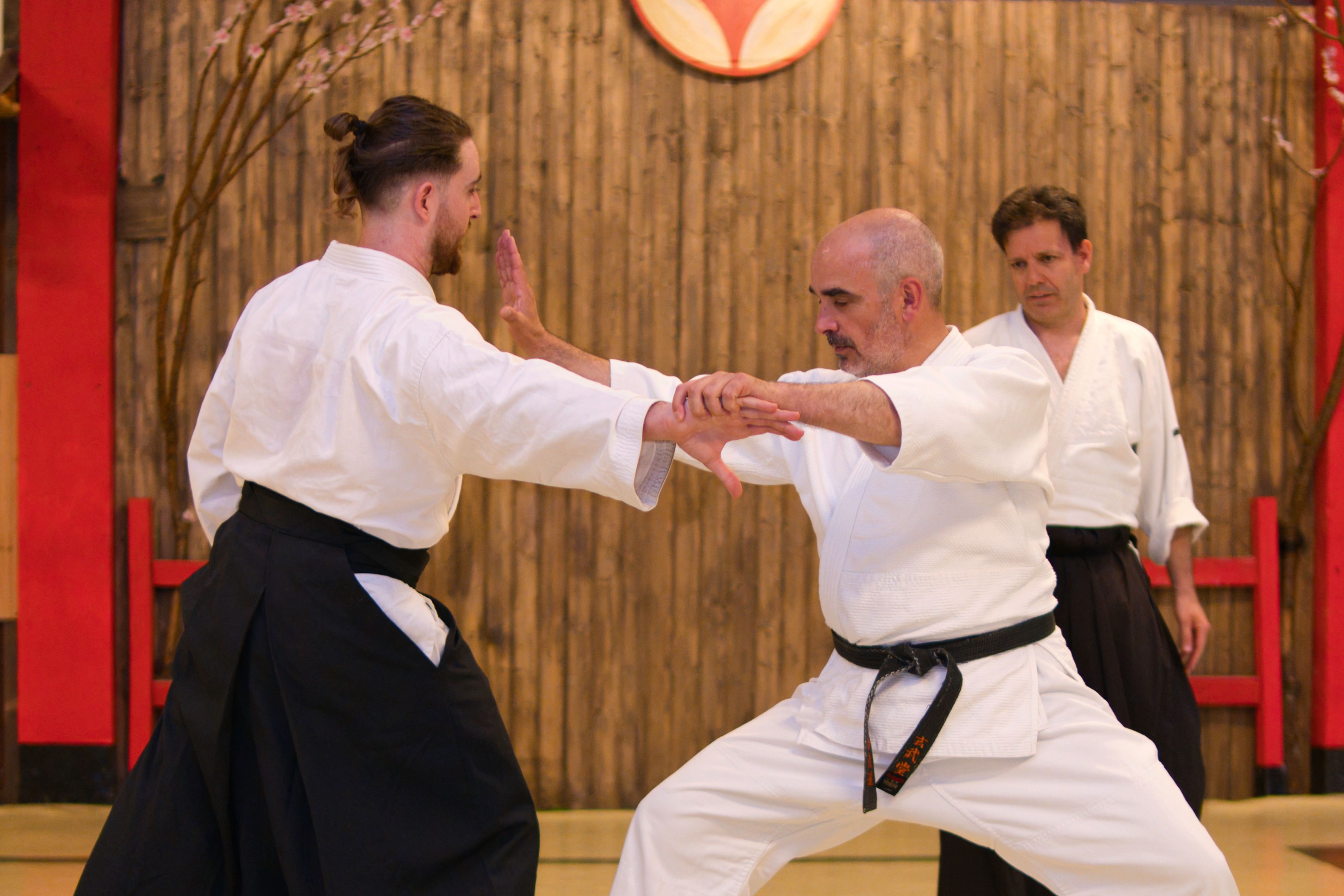
In the realm of self-defense training, the incorporation of real-life scenarios is a crucial element that can significantly enhance the learning experience. While traditional martial arts techniques are beneficial, integrating realistic situations prepares individuals for the unpredictability of real-world encounters.
Real-life scenario training helps bridge the gap between practice and reality. It allows participants to experience the adrenaline rush, confusion, and split-second decision-making that occur in actual confrontations. By simulating these conditions, trainees can build confidence and improve their ability to respond effectively under pressure.
The Benefits of Scenario-Based Training
Improved Decision-Making Skills
One of the main advantages of scenario-based training is the enhancement of decision-making skills. Trainees learn to evaluate threats quickly and choose the best course of action. This is essential because in real-life situations, hesitation can have serious consequences.
Through repeated exposure to various scenarios, individuals become adept at recognizing patterns and anticipating potential threats. This proactive approach can be the difference between a successful defense and a dangerous situation.

Building Emotional Resilience
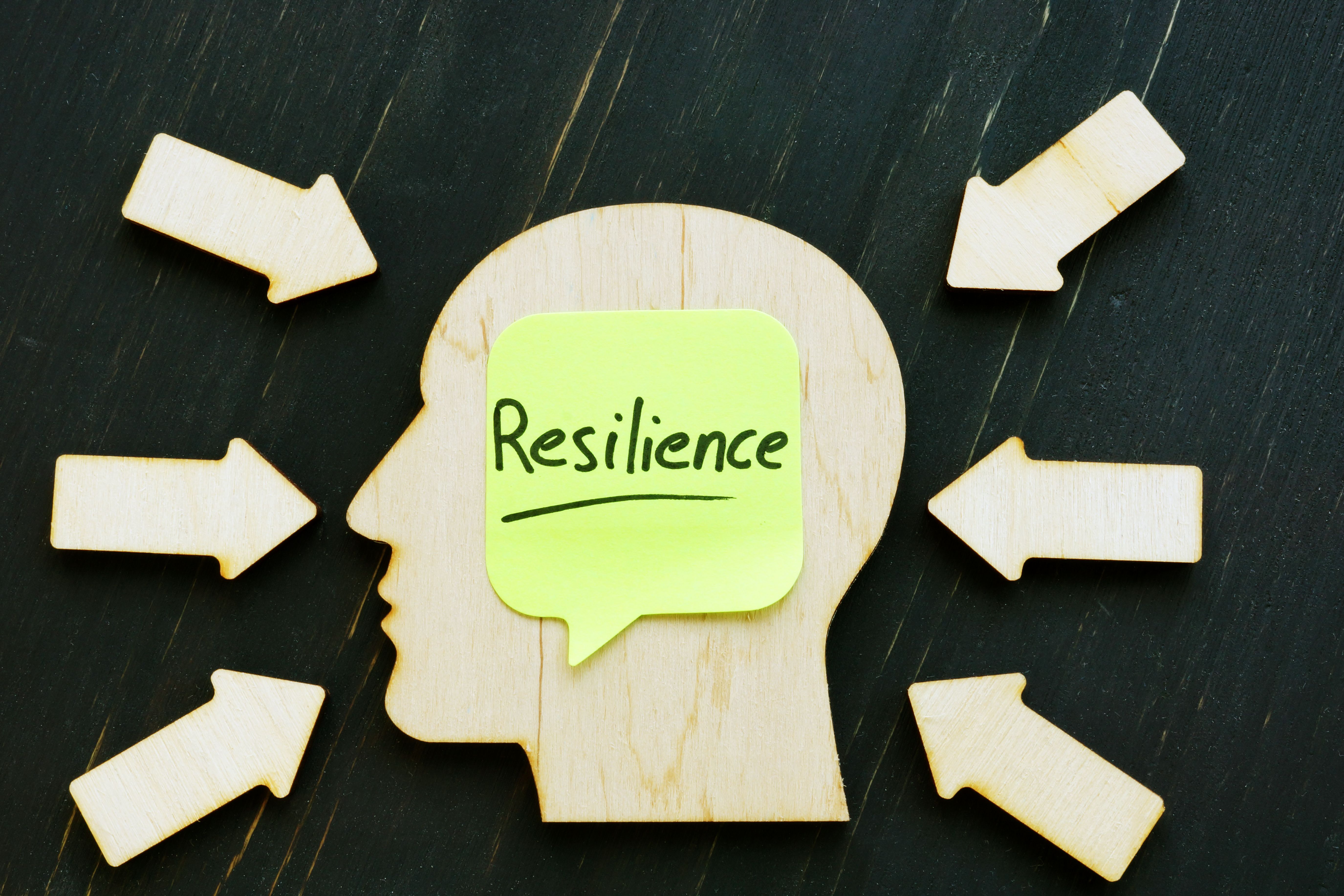
Another critical benefit is the development of emotional resilience. Real-life scenarios can evoke intense emotions, from fear to anger. Training in controlled environments helps individuals manage these emotions effectively, preventing them from becoming overwhelming during an actual confrontation.
Emotional control is vital in self-defense, as it allows for clearer thinking and better execution of techniques. By practicing under stress, trainees learn to maintain composure and focus on their training.
Practical Application of Techniques
Real-life scenarios also provide a platform for the practical application of self-defense techniques. In a safe training environment, individuals can test what they've learned and see firsthand what works and what doesn't in different situations.
This hands-on experience is invaluable. It reinforces theoretical knowledge and allows for the adjustment and refinement of techniques, ensuring they are effective when needed most.
Adapting to Dynamic Situations
Self-defense situations are rarely static. They often involve multiple variables, such as the presence of bystanders, varying environments, and unexpected actions from an assailant. Scenario-based training encourages adaptability, teaching trainees to respond to changing circumstances quickly.
The ability to adapt is a crucial skill in self-defense. It enables individuals to modify their strategies and techniques to suit the unique aspects of each encounter, increasing their chances of a successful defense.
Conclusion: The Realism Advantage
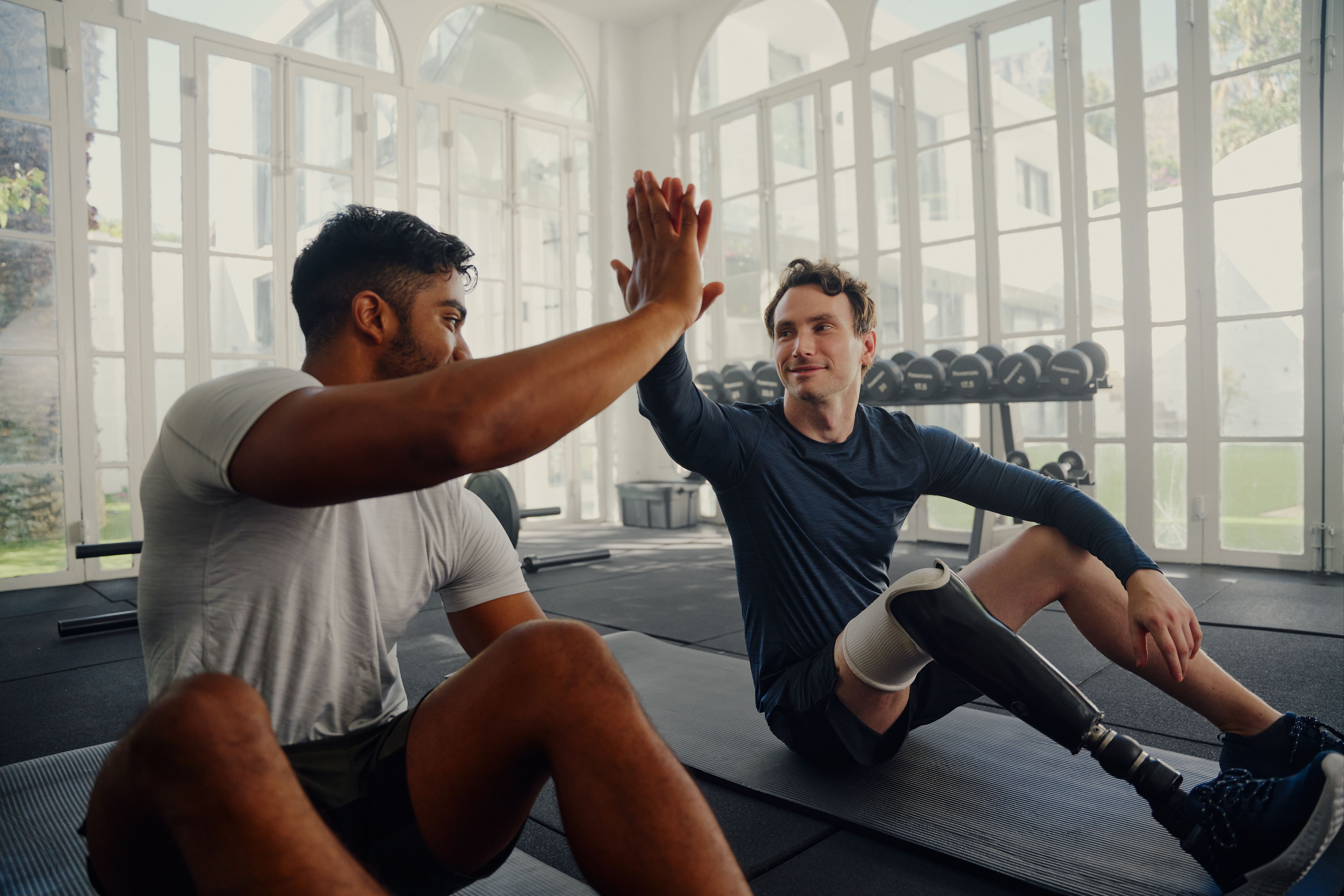
Incorporating real-life scenarios into self-defense training offers numerous benefits. It not only enhances technical skills but also develops critical psychological and emotional traits necessary for effective self-protection. By preparing for the unexpected, individuals can face real-world threats with greater confidence and competence.
Ultimately, the realism provided by scenario-based training makes it an indispensable component of any comprehensive self-defense program, equipping individuals with the tools they need to stay safe in an unpredictable world.