Preparing for the Unexpected: Self-Defense Tips for Adults
MN
Understanding the Basics of Self-Defense
In today's world, being prepared for the unexpected is essential. Self-defense is not just about physical combat; it's about awareness, prevention, and knowing how to handle potentially dangerous situations. Understanding the basics of self-defense can empower you to protect yourself and your loved ones.
Importance of Situational Awareness
Situational awareness is your first line of defense. Being aware of your surroundings helps you anticipate potential threats and avoid them before they escalate. Pay attention to the people around you, the environment, and any unusual behavior. Simple actions like keeping your head up and avoiding distractions like your phone can make a significant difference.
Learning Self-Defense Techniques
While awareness is crucial, knowing basic self-defense techniques can be invaluable if a situation turns physical. Consider enrolling in a self-defense class where you can learn techniques such as:
- Blocking and striking: Learn how to protect yourself and incapacitate an attacker.
- Escaping holds: Understand how to break free from common holds like wrist grabs.
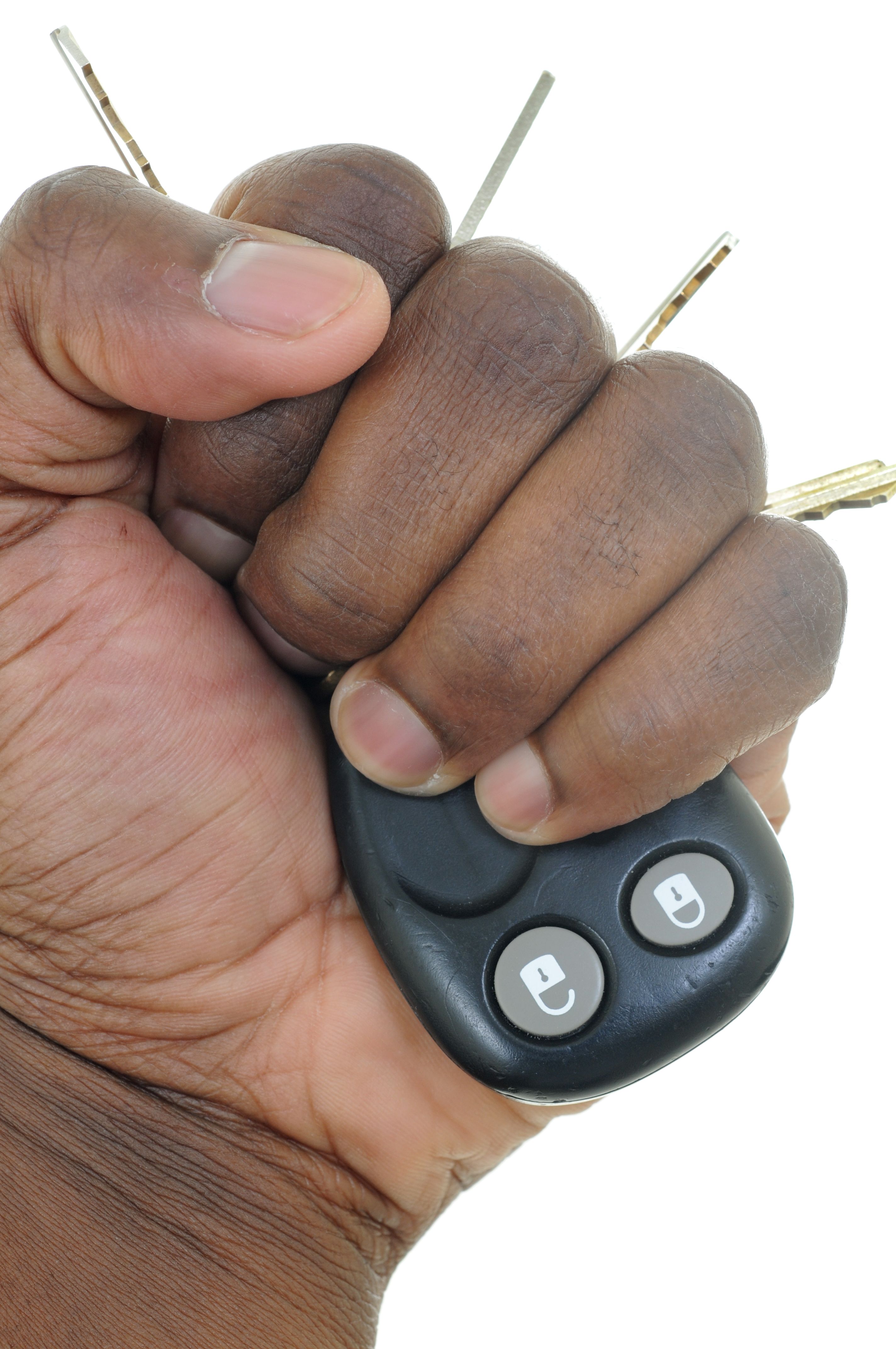
- Using everyday objects: Utilize items like keys or pens as defensive tools.
Building Confidence and Mental Resilience
Self-defense is as much mental as it is physical. Building confidence through training can improve your ability to stay calm and make quick decisions during stressful situations. Confidence acts as a deterrent and can often prevent confrontations from escalating.
Practicing Regularly
Regular practice of self-defense techniques is crucial for retention and effectiveness. Repetition helps ingrain these skills into your muscle memory, making them more instinctual. Find a local class or practice with a friend to keep your skills sharp.
Staying Physically Fit
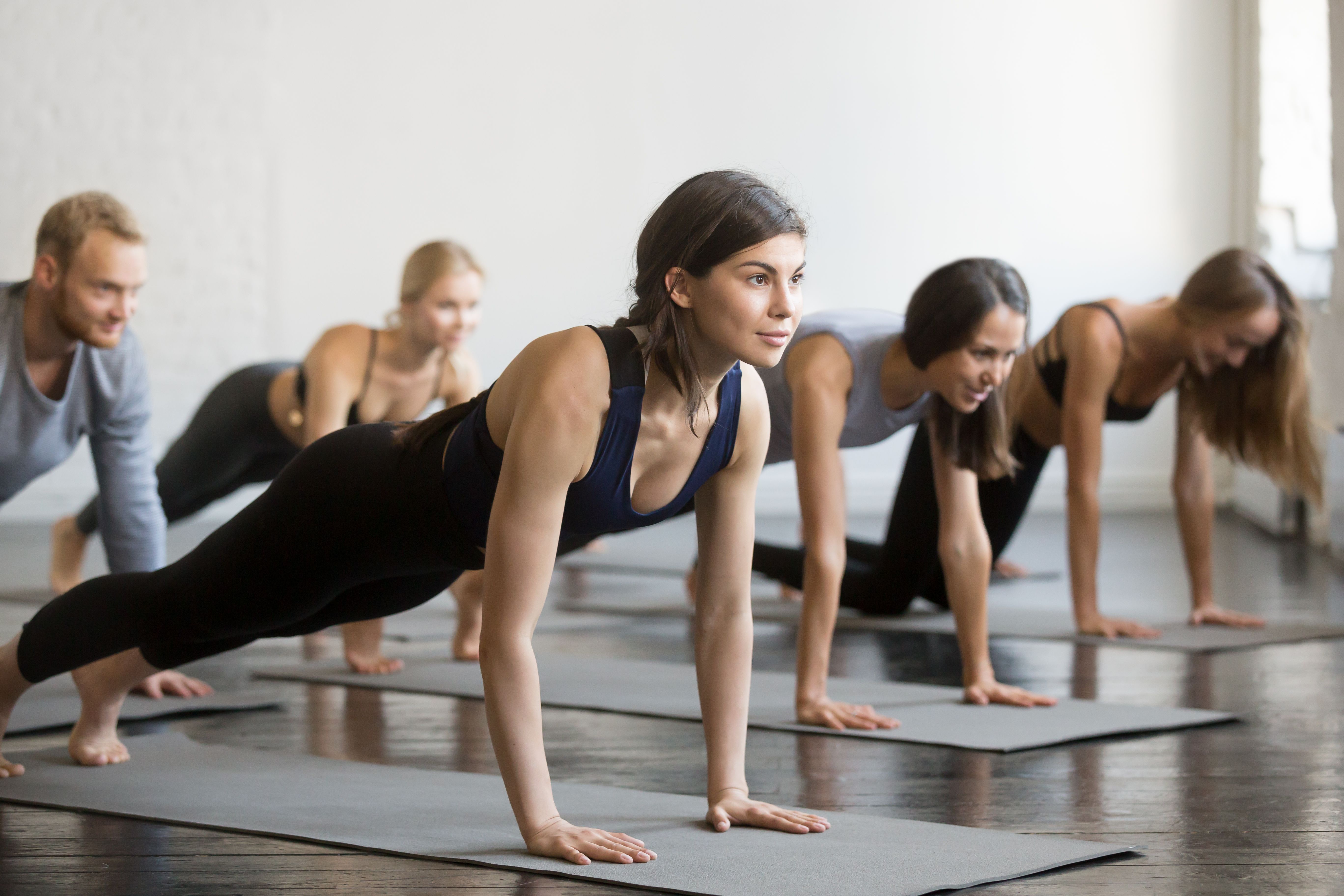
Physical fitness plays a significant role in self-defense. Being fit improves your strength, agility, and endurance, which are essential for defending yourself during an altercation. Incorporate exercises that enhance your core strength, flexibility, and cardiovascular health.
Legal Considerations and Safety
Understanding the legal implications of self-defense is vital. Laws regarding self-defense can vary by location, so familiarize yourself with local regulations. Ensure that your actions in a self-defense situation are legally justified and reasonable.
Knowing When to Walk Away
Sometimes, the best form of self-defense is avoiding confrontation altogether. If you can safely de-escalate a situation or remove yourself without resorting to physical measures, do so. Trust your instincts and prioritize safety above all else.

Preparing for the unexpected requires a combination of awareness, knowledge, and practice. By taking steps to improve your self-defense capabilities, you can face the world with greater confidence and peace of mind.