
Mastering Self-Defense: A Beginner's Guide to Personal Safety
MN
Understanding the Importance of Self-Defense
In today's world, personal safety is more important than ever. Whether walking home at night or navigating a crowded public space, mastering self-defense can provide the confidence and skills needed to protect oneself. Learning self-defense isn't just about physical strength; it's about awareness, prevention, and quick decision-making.
Self-defense training empowers individuals by enhancing their ability to respond effectively in threatening situations. It builds confidence, improves physical fitness, and increases awareness of one's surroundings. Additionally, it provides a sense of security that can be invaluable in everyday life.
Basic Principles of Self-Defense
Before diving into specific techniques, it's important to understand some basic principles of self-defense. These principles are designed to help you react quickly and effectively, ensuring your safety in various scenarios.
- Awareness: Stay alert and aware of your surroundings at all times.
- Prevention: Avoid potentially dangerous situations whenever possible.
- Action: React decisively when faced with a threat.
Essential Self-Defense Techniques
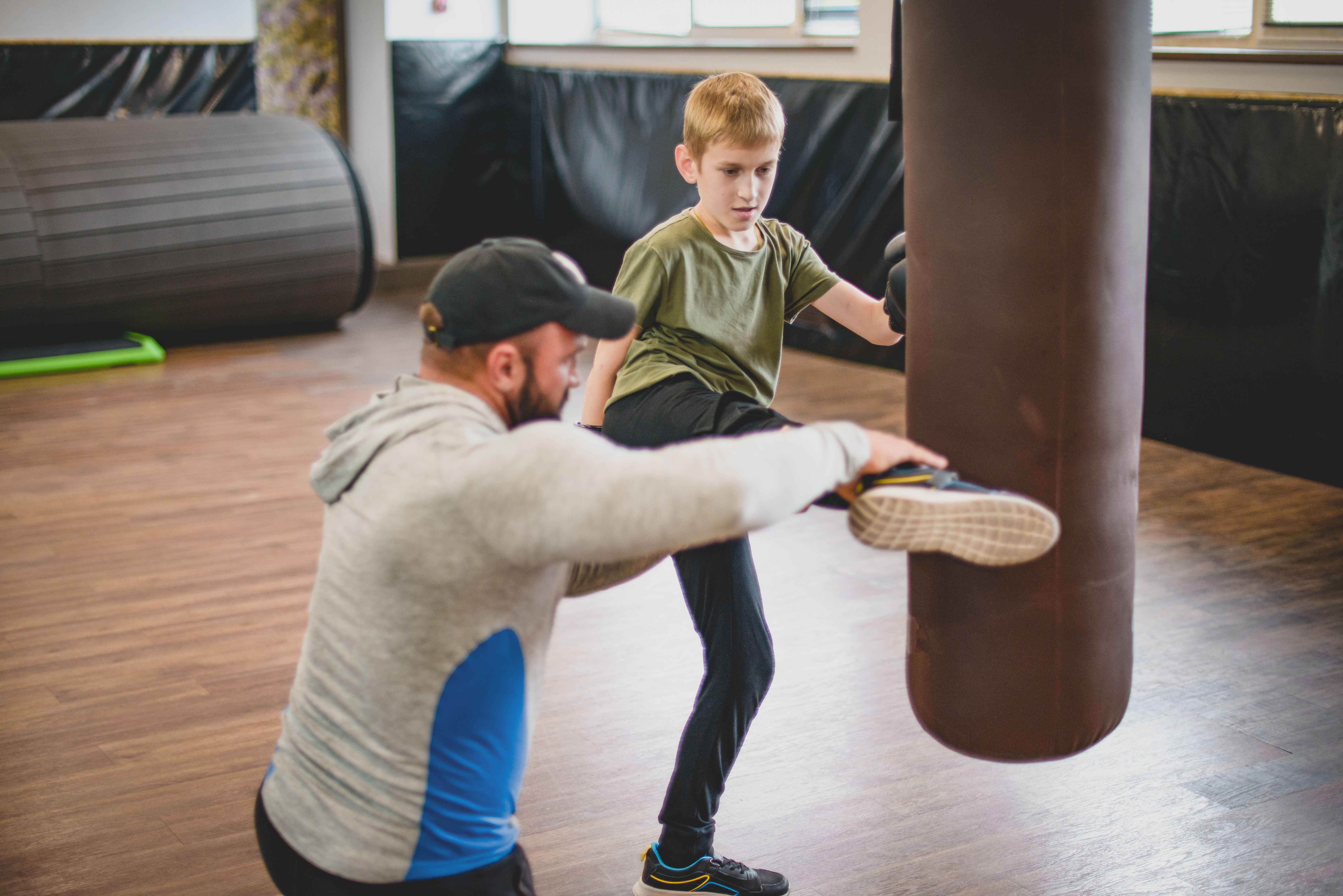
As a beginner, focusing on a few essential techniques can make a significant difference in your ability to protect yourself. These techniques are simple to learn and can be practiced regularly to build confidence.
- Palm Strike: A quick and powerful strike to the attacker's face or nose.
- Knee Strike: Use your knee to target the attacker's midsection.
- Escape from a Grab: Techniques to break free from an attacker's hold.
Choosing the Right Self-Defense Class
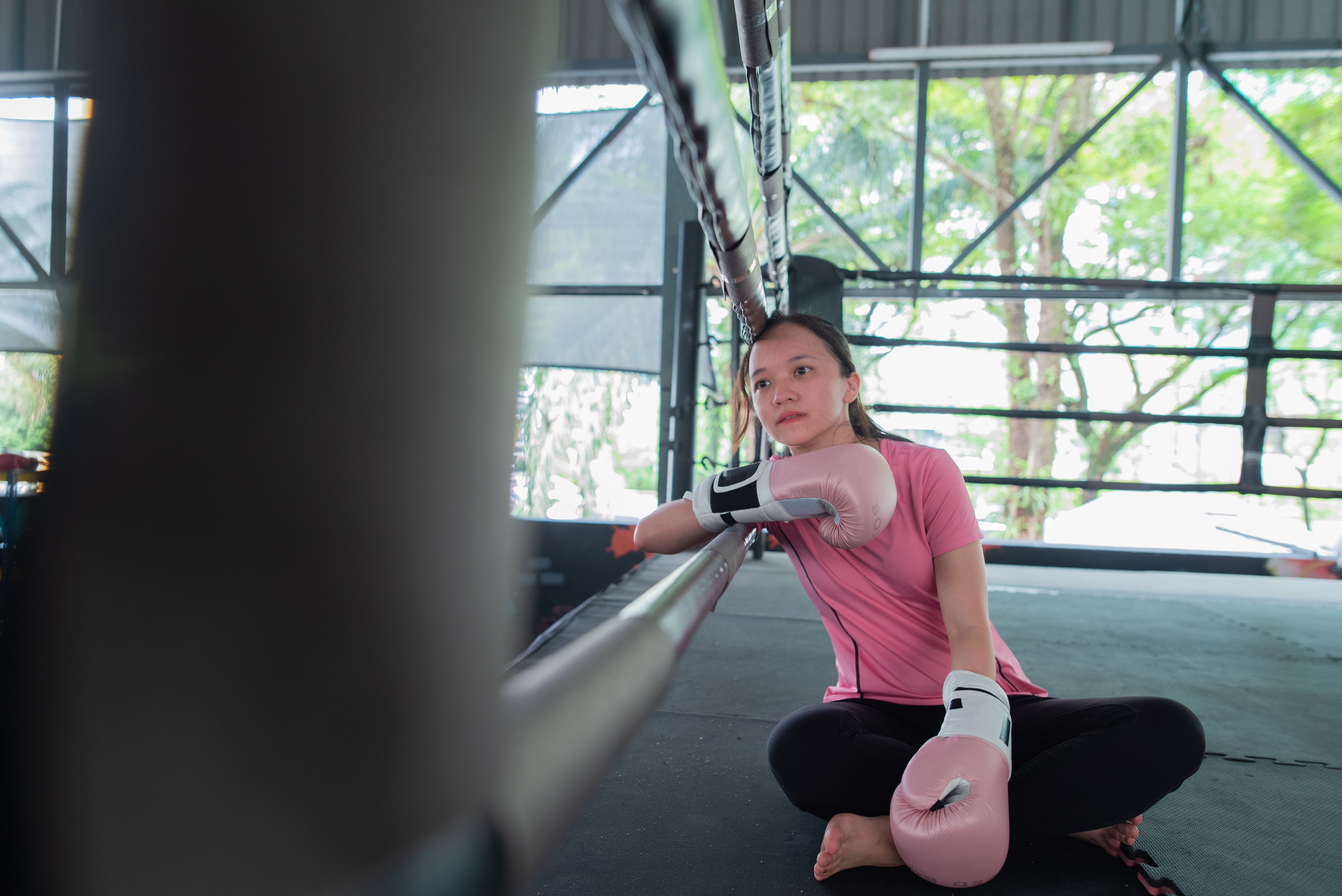
Finding the right self-defense class is crucial for effective learning. Look for classes that offer a supportive environment and experienced instructors who can cater to beginners. Whether you choose martial arts, Krav Maga, or a general self-defense course, ensure it aligns with your personal safety goals.
Classes often provide a mix of physical training, scenario-based practice, and discussions on personal safety strategies. This holistic approach ensures that you are well-prepared to handle various situations.
Practice and Consistency
Consistency is key when mastering self-defense. Regular practice helps reinforce techniques and builds muscle memory, allowing you to react instinctively in real-life situations. Consider setting aside time each week to practice, either alone or with a partner, to maintain your skills.

Engaging in group practice sessions can also enhance your learning experience. It provides an opportunity to learn from others, gain different perspectives, and improve your techniques through feedback.
Building Confidence through Self-Defense
One of the most rewarding aspects of learning self-defense is the boost in confidence that comes with it. Knowing that you have the skills to protect yourself can transform how you carry yourself in daily life. This newfound confidence can reduce anxiety and empower you to handle challenging situations with poise.
Ultimately, mastering self-defense is not just about physical techniques—it's about cultivating a mindset of empowerment and resilience. As you continue to learn and grow, you'll find that these skills extend beyond physical safety, positively impacting various aspects of your life.