
Mastering Defensive Tactics: A Beginner’s Guide to Unarmed Combat
MN
In today's world, understanding the basics of unarmed combat can be a valuable skill for personal safety and confidence. Mastering defensive tactics isn't about aggression but about self-preservation and control. This guide will introduce beginners to the essential concepts and techniques of unarmed combat.

Understanding the Basics
Before diving into techniques, it's crucial to understand the fundamentals. Unarmed combat focuses on using your body as a weapon and a shield. This involves knowing how to position yourself, maintain balance, and use your body's natural strengths.
One of the primary goals of defensive tactics is to minimize harm. This means learning how to avoid confrontation when possible and de-escalating situations before they turn physical.
The Importance of Stance
Your stance is the foundation of effective defense. A good stance provides balance, mobility, and the ability to react swiftly. Beginners should practice maintaining a balanced stance with their feet shoulder-width apart, knees slightly bent, and hands ready to protect vital areas.

Key Techniques for Defense
There are several fundamental techniques that form the core of unarmed combat. These include blocking, evading, and counter-attacking. Learning these techniques helps you defend yourself without the need for weapons.
Blocking and Parrying
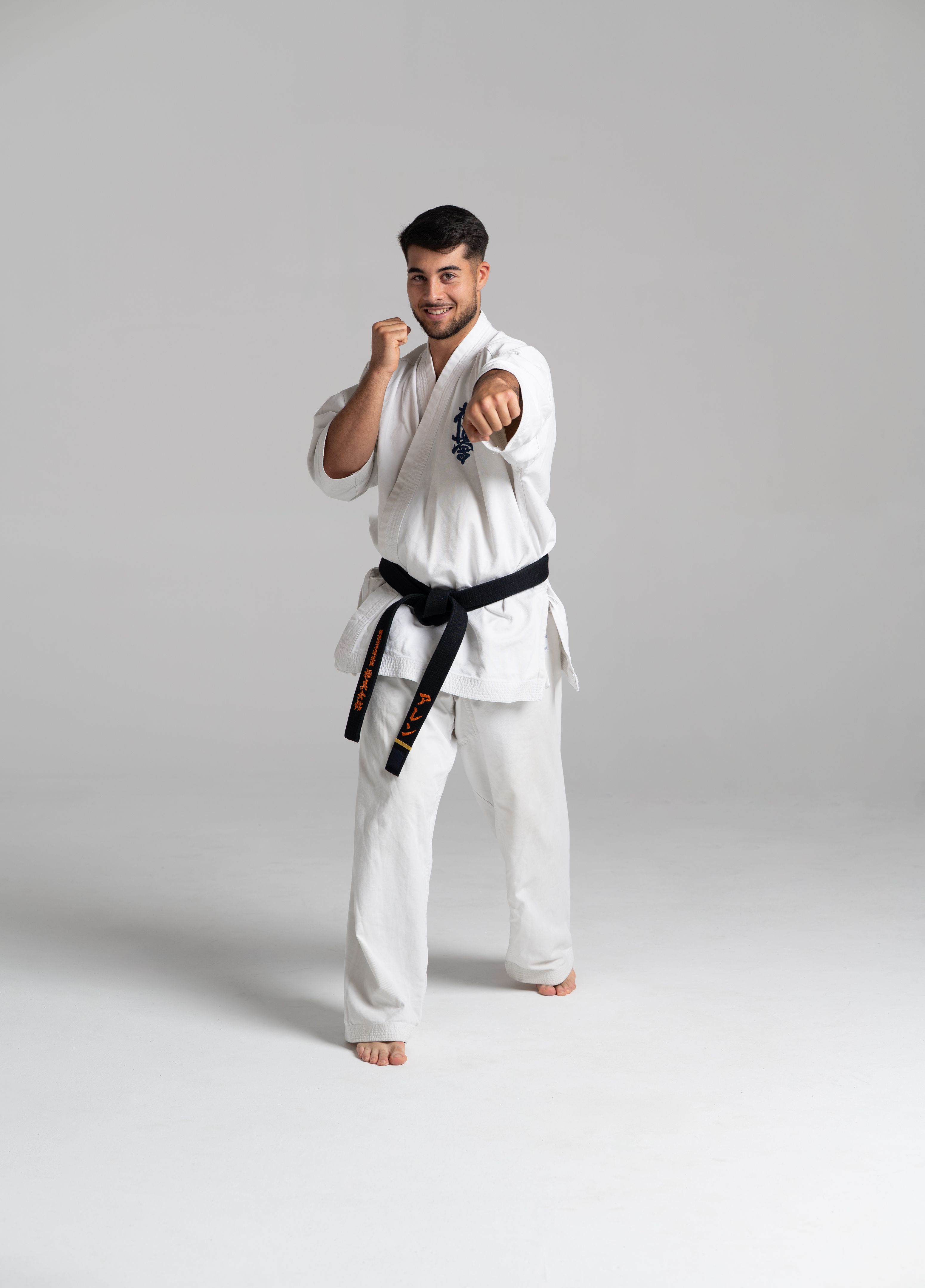
Blocking is essential to stop an attack from reaching its target. It involves using your arms and hands to shield yourself from strikes. Parrying, on the other hand, redirects the opponent's force away from you, using their momentum against them.
- Keep your fists up to protect your face.
- Use your forearm to deflect blows aimed at your body.
- Practice quick, controlled movements to improve effectiveness.
Evading and Counter-Attacking
Sometimes, the best defense is simply not being there when the attack lands. Evading involves moving out of the attack's path, while counter-attacking involves responding to an opponent's move with your own strike. This can catch the attacker off guard and give you the upper hand.
- Side-stepping to avoid direct hits.
- Using a quick jab to disrupt the attacker's rhythm.
- Employing a low kick to destabilize the opponent.
Practicing Safely
While learning unarmed combat, safety should always be a priority. Practice with a partner who understands the importance of controlled movements and follows safety guidelines. Using protective gear can also prevent injuries during training sessions.
Regular practice helps build muscle memory, crucial for reacting instinctively in real-life situations. As you progress, consider enrolling in classes led by experienced instructors who can provide personalized guidance and feedback.
Mastering defensive tactics takes time and patience. With dedication and practice, beginners can develop the skills needed to protect themselves and others, gaining both confidence and peace of mind.