How to Learn Self Defense Techniques at Any Age
MN
Introduction to Self Defense
Self-defense is an essential skill that empowers individuals to protect themselves in various situations. Whether you're a teenager or well into your golden years, it's never too late to learn self-defense techniques. These skills not only enhance personal safety but also boost confidence and mental resilience.

Understanding the Basics
Before diving into specific techniques, it's crucial to understand the basics of self-defense. This includes being aware of your surroundings, practicing de-escalation techniques, and knowing how to use your voice as a tool. Awareness can be your first line of defense, helping to avoid potential threats before they escalate.
Start with Simple Techniques
Beginners should start with simple, effective techniques. Focus on learning how to block attacks, escape holds, and use your body's natural weapons, such as elbows and knees. These methods are easy to learn and can be applied quickly in real-life situations.
Choosing the Right Class
Selecting the right self-defense class can make a significant difference in your learning experience. Look for classes that offer a supportive environment and experienced instructors who can adapt lessons to suit different age groups and fitness levels. Consider trying a few sessions before committing to find the best fit for you.
Explore Different Styles
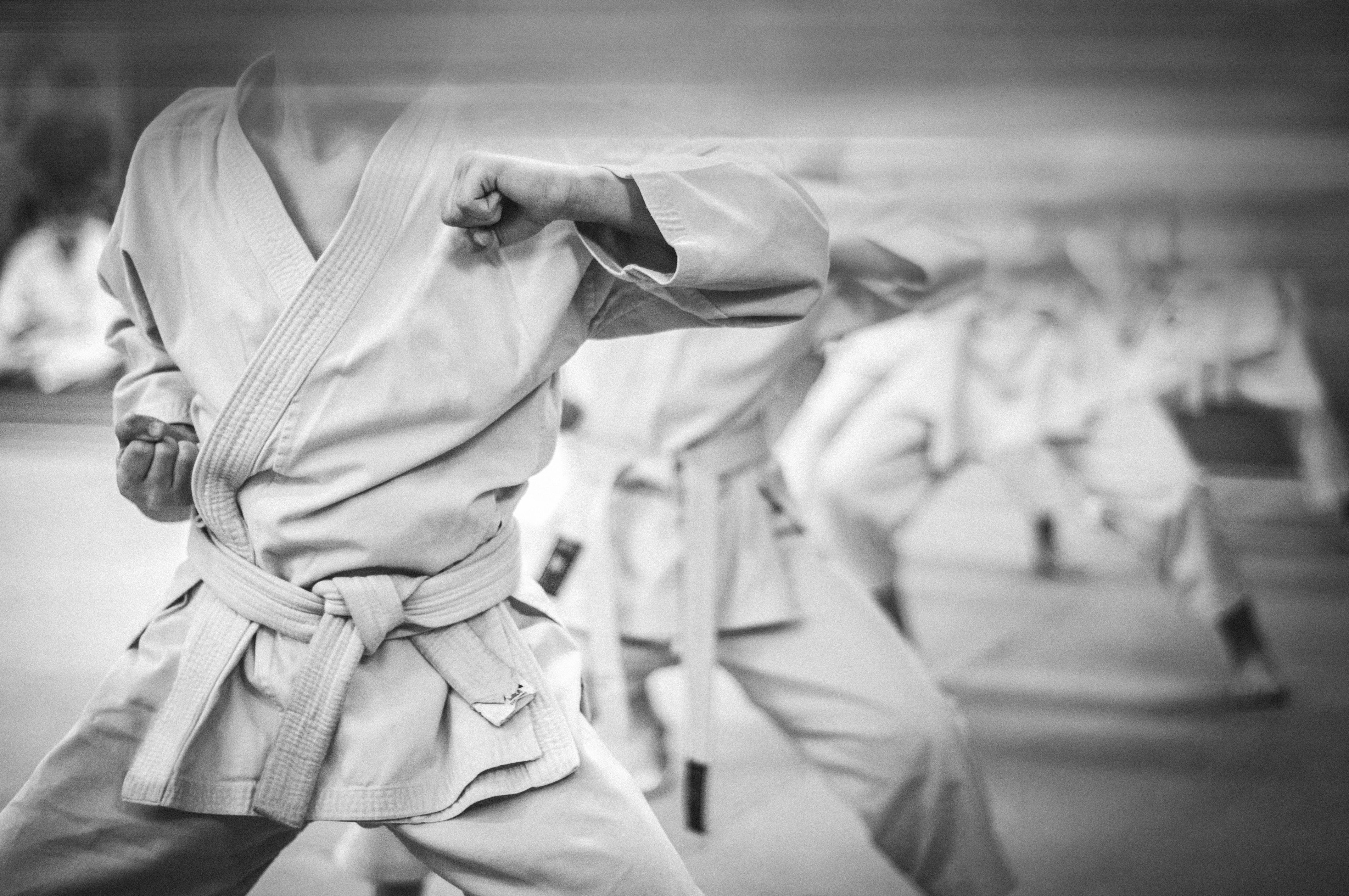
Various self-defense styles, such as Krav Maga, Brazilian Jiu-Jitsu, and Karate, offer unique benefits. Krav Maga focuses on real-world scenarios, while Brazilian Jiu-Jitsu emphasizes ground defense. Karate can improve overall fitness and discipline. Exploring different styles can help you find the one that resonates most with you.
Practicing at Home
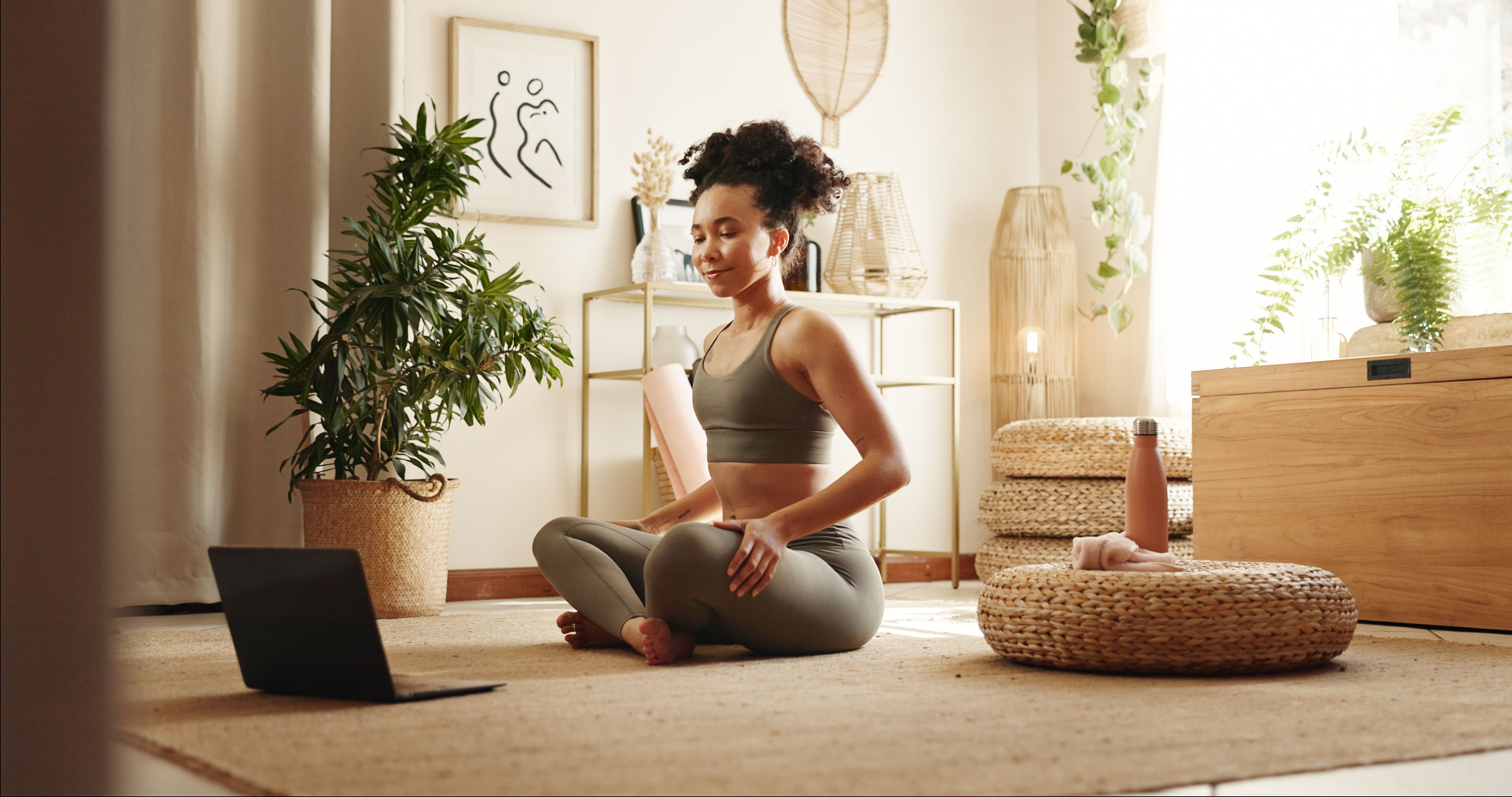
Consistent practice is key to mastering self-defense techniques. Incorporate regular practice sessions at home to reinforce what you've learned in class. Use instructional videos or online tutorials to guide you through exercises and drills.
Partner Practice
Practicing with a partner can be particularly beneficial. It allows you to simulate real-life scenarios and helps you get comfortable with physical contact. Ensure that you and your partner communicate clearly to maintain a safe practice environment.
Staying Committed
Learning self-defense is a journey that requires time and dedication. Set realistic goals and track your progress to stay motivated. Celebrate small victories along the way, and remember that every step forward is an enhancement of your personal safety.
Benefits Beyond Safety
Beyond physical protection, self-defense training offers numerous additional benefits. It can improve your physical fitness, boost mental resilience, and increase self-confidence. These advantages contribute to a healthier, more empowered lifestyle.
In conclusion, learning self-defense at any age is a valuable investment in your personal safety and well-being. Whether you're just starting or looking to refine your skills, the journey is rewarding and empowering.