
Back-to-School Self-Defense for Teens: Building Confidence and Safety
MN
Introduction to Self-Defense for Teens
As the new school year begins, it's essential for teens to feel confident and safe in their environments. Self-defense is not just about physical techniques; it's about building self-confidence, awareness, and the ability to handle challenging situations effectively. Equipping teens with these skills can empower them to face the school year with assurance.
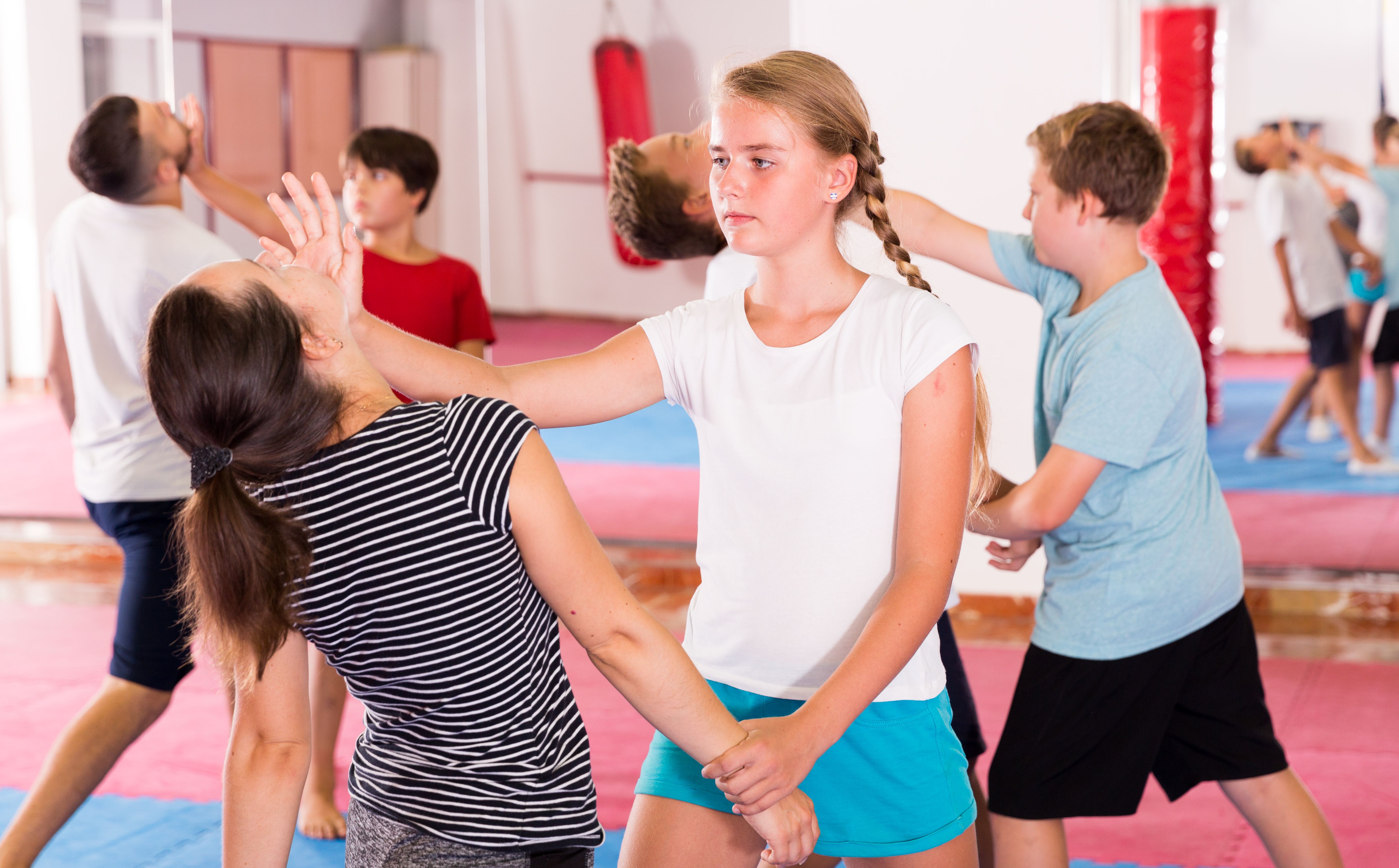
Understanding the Importance of Awareness
A key component of self-defense is awareness. Encouraging teens to be mindful of their surroundings can help them anticipate and avoid potential threats. Simple practices like staying off their phones while walking and being observant of the people around them can make a significant difference in their safety.
Teens should also learn to trust their instincts. If something feels off or uncomfortable, it's crucial to take it seriously and take steps to ensure safety, such as moving to a more populated area or contacting a trusted adult.
Building Confidence Through Self-Defense Classes
Participating in self-defense classes can be a great way for teens to build confidence. These classes teach practical techniques that can be used in real-life situations, while also enhancing physical fitness and mental resilience. Many classes offer a supportive community, where teens can learn together and support each other's growth.
Self-defense training often includes learning how to break free from grabs, how to block strikes, and how to use an attacker's force against them. Beyond physical skills, these classes also teach the importance of voice and body language in deterring potential threats.
Simple Techniques Teens Can Practice
Even without formal training, there are simple self-defense techniques that teens can practice regularly. Here are a few basic moves:
- Palm Strike: A quick and effective way to create distance from an aggressor.
- Knee Strike: Useful for targeting an attacker when in close quarters.
- Wrist Release: A simple maneuver to break free from a wrist grab.
Practicing these moves with friends or family can help teens feel more comfortable and prepared to use them if necessary.

The Role of Communication in Self-Defense
Open communication is a crucial aspect of self-defense. Encouraging teens to talk about their concerns and experiences can help them feel supported and less isolated. Parents and guardians should foster an environment where teens feel safe discussing any incidents or fears they may have.
Additionally, teaching teens how to communicate assertively can be a powerful tool in preventing conflicts. Using a strong, confident voice and body language can often deter potential threats before they escalate.
Conclusion: Empowering Teens with Knowledge
By equipping teens with self-defense skills and knowledge, we empower them to face the challenges of the school year with greater confidence and assurance. It's not just about learning to defend themselves physically but also about building a mindset that prioritizes awareness, communication, and self-confidence.
Encourage the teens in your life to explore self-defense training and open discussions about safety. Together, we can help them build a safer and more confident future.